Most conversations about sloping blocks start with the deck or the outdoor entertaining area. That’s completely natural. But when planning a retaining wall for sloping block Gold Coast homes, the retaining wall is the foundation that makes the destination possible, and building the outdoor structure before the retaining wall is right is one of the most reliable ways to create expensive problems on an otherwise promising site.
This article covers why the retaining wall has to come first, how the levels need to work together, and what to plan before any excavation begins.
What a Retaining Wall Actually Creates on a Sloping Block
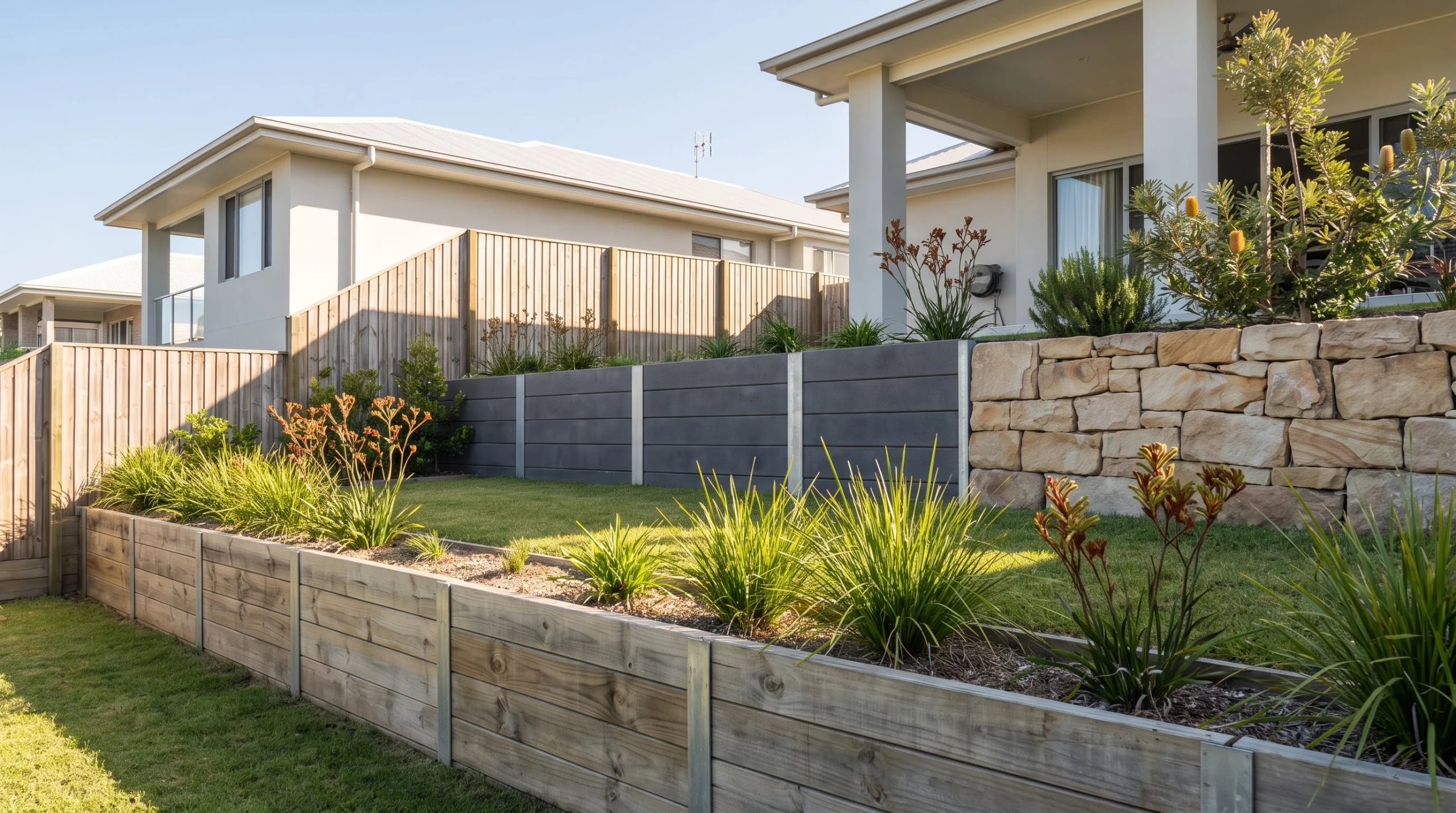
Retaining walls are often understood as a structural necessity, something the engineer or the council requires rather than something you’d choose. On a sloping block, that framing misses most of the value. A retaining wall on a sloping site doesn’t just hold back earth. It creates usable outdoor space at a level that connects meaningfully to the rest of the property.
On a well-planned sloping block, a retaining wall transforms an unusable bank into a flat functional zone that the structure above connects to seamlessly. The result is a property that reads as a series of deliberate levels rather than an awkward slope with a house sitting on it. The Gold Coast suburbs where this matters most, Mudgeeraba, Nerang, Upper Coomera, Oxenford, Helensvale, are full of sloping block homes where this potential either gets realised or gets left on the table depending on how well the retaining wall project was planned.
The Levels: How They Need to Work Together
This is where sloping block projects succeed or fail, and it’s worth spending some time on. A sloping block typically has three levels that need to work as a coherent system: the indoor floor level, the outdoor structure level directly connected to the house, and the retained garden or entertaining zone below. Getting these three levels right and designing them together rather than independently is the difference between a sloping block that flows and one that feels like a series of compromises.
The Indoor-to-Outdoor Transition
The connection between the indoor floor level and the outdoor structure above the retained zone sets the tone for everything below it. If this transition is awkward, a step up, a step down, a threshold that doesn’t quite work, the whole outdoor space feels disconnected from the house regardless of how well the rest is executed. On sloping block homes across the Gold Coast, getting this transition right often means setting the retaining wall level first and working the outdoor structure height back from there, rather than fixing the outdoor structure height and hoping the retained level below accommodates it.
The Outdoor Structure Level
Whether the outdoor structure sitting above the retained zone is a deck, a patio, a pergola, or a combination, its level relative to the retained zone below determines the step height, the visual connection between levels, and the subframe engineering required. A structure that sits only slightly above the retained level creates an easy, seamless connection. A structure that sits well above it creates more drama but requires more engineering, taller balustrades, and more substantial stairs. Neither is wrong, but both need to be designed intentionally, not discovered after the retaining wall is already in. Our retaining wall construction page covers how we approach the sequencing from site assessment through to finished wall.
The Retained Garden Zone
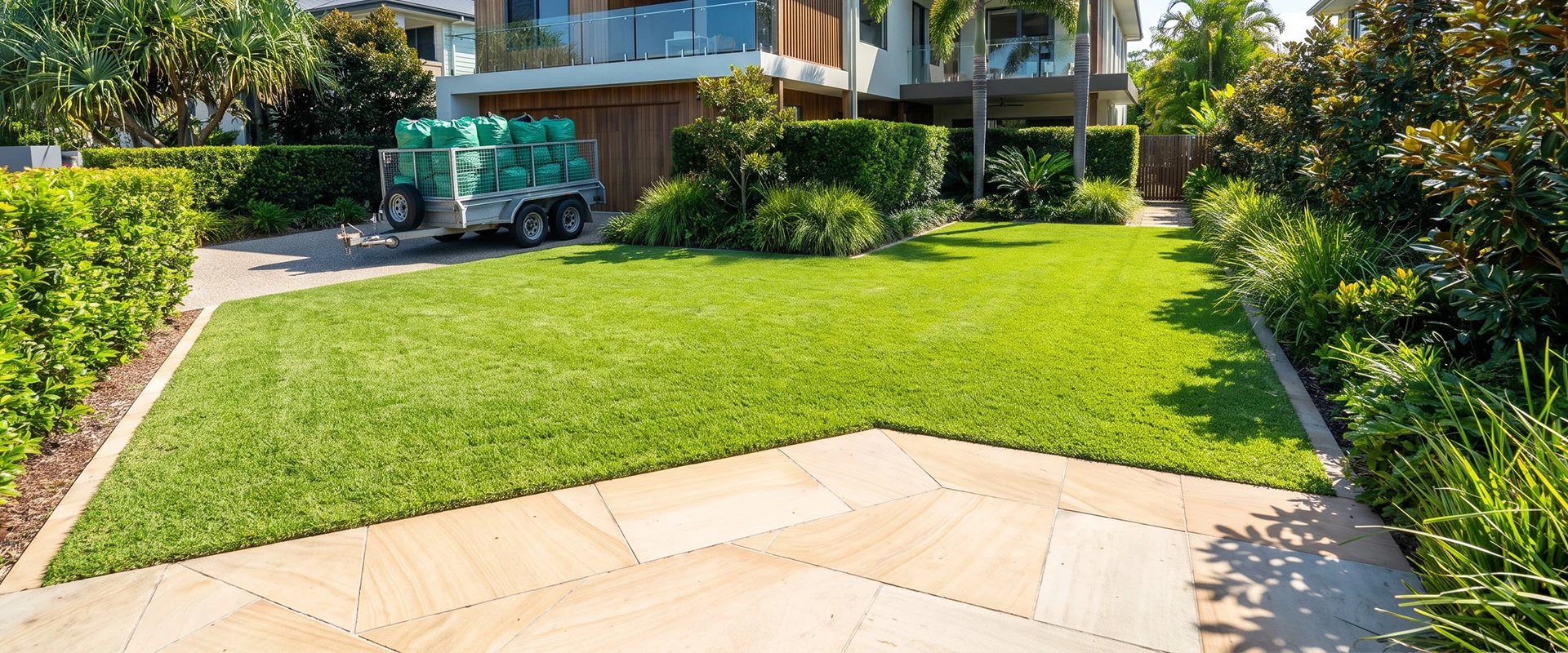
The retained zone below the outdoor structure is where the landscape design really comes into its own. On a well-planned Gold Coast sloping block, this level isn’t just a flat patch of lawn. It’s an opportunity for garden beds, raised garden beds, feature planting, and outdoor entertaining space that adds depth and usability to the whole property. Integrating garden beds and raised garden beds into the level transitions at the design stage produces a result that feels cohesive rather than assembled. Our raised garden beds page covers how we build these into retaining wall projects from the ground up.
Drainage: What Makes or Breaks the Whole System
Proper drainage on a sloping block isn’t a detail. It’s the foundation that every other element sits on. Slopes concentrate water and direct it toward the lowest point on the site, and if that lowest point happens to be behind a retaining wall, under a deck, or against a house footing, the damage compounds quietly until it becomes impossible to ignore.
There’s a saying among retaining wall builders on the Gold Coast: you can always tell which sloping blocks had their drainage sorted upfront. They’re the ones where the walls are still straight ten years later. The others tend to generate a different kind of call.
Good drainage planning before any retaining wall construction begins covers how surface water moves across the site, what goes behind the wall to manage pressure behind the wall, how subfloor drainage under any structure above is handled, and where runoff exits the property. Prevent soil erosion during construction too. Gold Coast sloping sites are exposed during the building process and particularly vulnerable during Queensland’s wet season. Getting drainage right at the design stage is always cheaper than remediation. Our article on retaining wall drainage on the Gold Coast covers the most common failure points and what proper drainage actually looks like.
Choosing the Right Retaining Wall for Sloping Block Gold Coast
The right type of retaining wall for a Gold Coast sloping block depends on wall height, soil type, site conditions, slope angle, and the aesthetic direction of the landscape design. Here’s a plain-language overview of the main retaining wall options and where each one fits.
Concrete sleeper retaining walls are the popular choice for structural retaining wall construction on sloping blocks across the Gold Coast. Concrete sleepers handle the humidity and soil conditions of coastal Queensland well, walls can be constructed to significant wall heights, and the range of available finishes suits most landscape design styles. For a detailed comparison of concrete sleepers against timber, our article on concrete sleeper or timber retaining walls covers the full trade-off for Gold Coast conditions.
Timber sleeper retaining walls, including treated pine and hardwood timber options, suit lower wall heights and sites where a natural aesthetic takes priority. Timber retaining walls have a shorter lifespan in coastal Queensland conditions and require more maintenance, but timber sleeper retaining walls remain a good fit for less exposed sloping sites with lower retained heights.
Sandstone retaining walls and stone walls suit larger, more naturalistic sites. On the Gold Coast, sandstone retaining walls are particularly well suited to the hinterland fringes around Mudgeeraba, Nerang, and the ranges above Oxenford, where the local landscape lends itself to a more organic aesthetic. Sandstone retaining walls stand the test of time when constructed properly and integrate beautifully into well-considered landscape design.
Block retaining and concrete block walls, along with gabion retaining walls, cover the more heavily engineered end of the spectrum. Gabion walls handle drainage exceptionally well and suit informal settings where pressure behind the wall is a primary structural consideration. Engineered retaining walls and reinforced concrete are specified for steep sloping sites and larger retaining wall projects where standard wall construction isn’t sufficient. Engineered walls require certification and apply to commercial projects and significant residential retaining wall construction on difficult sites. Our retaining wall cost guide covers how wall type and height affect what you’ll pay on the Gold Coast.
The Building Process: What the Right Order Looks Like
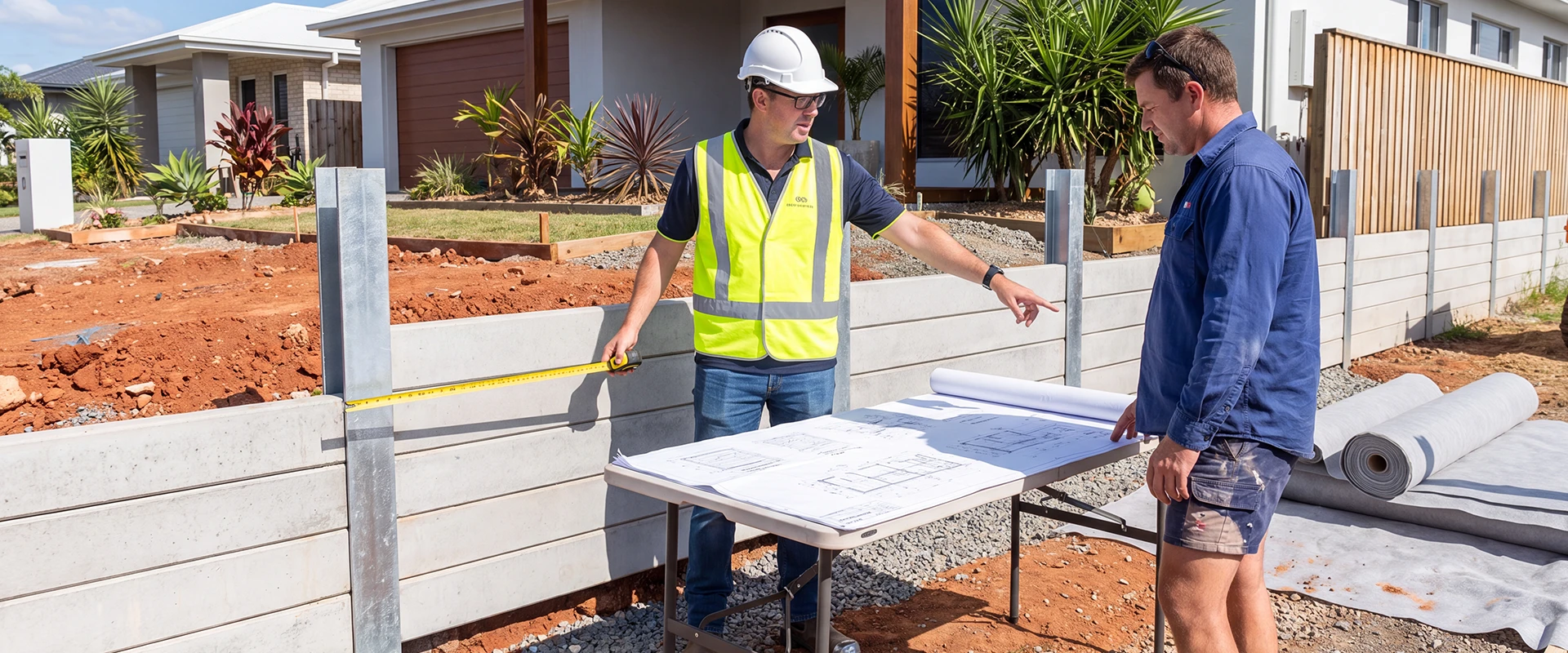
On a sloping block, the order of work is as important as the work itself. The correct building process runs: site assessment and levels first, then drainage infrastructure, then retaining wall construction, then any outdoor structures above, then surface finishes, then soft landscaping including garden beds and raised garden beds.
Each stage creates the conditions for the next. Shortcutting this sequence, particularly by building the visible outdoor structure before the retaining wall is in, creates drainage problems, level mismatches, and scope creep that costs more to fix than it would have cost to prevent. Soil erosion during construction is a real risk on Gold Coast sloping sites, particularly through Queensland’s wet season when exposed banks are most vulnerable. Staging the building process correctly and retaining exposed earth early protects the site and the properties around it.
The most cost-effective version of any sloping block retaining wall project is the one that’s properly planned before any of it starts. A thorough site assessment and landscape design phase prevents the rework that follows when sequencing decisions get made on the fly. Our retaining walls Gold Coast overview covers the material and structural considerations in more detail if you’re still in early planning.
FAQ
H3: Why does the retaining wall have to be built before the deck or patio on a sloping block?
The retaining wall sets the finished level that the outdoor structure above connects to. Building the deck or patio first locks in a level that may not align with the retaining wall solution, creates drainage complications, and almost always results in more expensive rework. The correct sequence is retaining wall first, structure second, every time.
H3: Do I need council approval for a retaining wall on the Gold Coast?
In Queensland, retaining walls over 1 metre in height generally require a building approval. On sloping sites where wall heights are driven by the slope angle rather than by choice, approval requirements are more commonly triggered than homeowners expect. A licensed local retaining wall builder will advise on your specific site requirements before work begins.
H3: How do I know which type of retaining wall is right for my sloping block?
Wall height, soil type, site conditions, slope angle, and your landscape design goals all affect which retaining wall options are appropriate. Concrete sleeper retaining walls suit most structural applications on Gold Coast sloping blocks. Timber suits lower heights and natural aesthetics. Sandstone suits hinterland sites. Engineered walls are specified where standard construction isn’t sufficient. A site assessment will determine what your block actually needs.
H3: What’s the most common mistake on Gold Coast sloping block projects?
Building the outdoor structure before the retaining wall is in, or managing the two as separate jobs without coordinating the levels. This creates level mismatches, drainage problems, and expensive rework. When one team manages the full retaining wall project and the structures above it, the sequencing is right and the levels align.
H3: Can a retaining wall on a sloping block add value to my property?
Yes. A well-designed retaining wall that creates usable outdoor space, integrates garden beds and raised garden beds, and connects the levels of a sloping block cohesively adds genuine value. Sloping block homes on the Gold Coast that are well resolved with functional outdoor living space consistently outperform comparable properties where the slope has been left unaddressed.
Ready to Make Your Gold Coast Sloping Block Work for You?
A sloping block with a well-planned retaining wall system is one of the best outdoor living opportunities on the Gold Coast. With the right retaining wall solutions, proper drainage, and a building process that sequences the work correctly, it becomes a functional outdoor space that adds real value to the property and genuine enjoyment to daily life.
Goldie Retaining Walls works across Robina, Coomera, Helensvale, Oxenford, Nerang, Mudgeeraba, Arundel, Upper Coomera, Parkwood, Pacific Pines, and the surrounding suburbs. Get Your Quote today or Call Us to discuss your requirements with our team.