A sloped yard looks harmless enough when the grass is short. But over time, it causes real problems: runoff that washes out garden beds, soil movement near fences, pooling at the base of the slope, and outdoor areas that are too awkward to actually use. If you’ve been dealing with any of these issues, you’re not alone. Retaining walls for sloped yards on the Gold Coast are one of the most common projects we handle, and for good reason. The right wall layout can turn a frustrating, uneven block into flat lawn, tiered gardens, a level pool zone, or a proper entertaining area.
This guide walks you through your best options, what to watch out for, and how to plan a project that actually solves the problem.
Why a Sloped Yard Keeps Causing Headaches
Gravity works slowly, but it works constantly. Slopes naturally push soil downhill, and on the Gold Coast, heavy storm rain speeds that process up significantly. Water travels fast down steep ground, soils can become heavy and unstable when saturated, and landscaped yards with paving, turf, and garden beds change the natural drainage patterns even further.
The result over time is often worse than people expect. Erosion channels start cutting through the yard. Lawn edges sink. Garden beds collapse and need rebuilding every season. Fences lean. Pooling creates muddy patches that take days to dry out after rain.
A well-designed retaining wall system stops the slope from shifting and gives the whole yard a stable structure that holds up through wet seasons rather than crumbling with them.
The 3 Most Effective Ways to Use Retaining Walls on a Sloped Block
There’s no single right answer for every property. The best approach depends on how steep your slope is, what you want to do with the space, and your budget. Here are the three layouts that work best on sloped Gold Coast properties.
Create One Large Flat Area
If your slope is moderate and you want a simple layout, building one retaining wall along the lower edge and levelling the ground above it can create a single flat zone for lawn, a kids’ play area, or an outdoor entertaining space.
This works well when the resulting wall height stays manageable. If the slope is steep enough that a single wall would need to be very tall to hold back all the material, tiering is usually the smarter approach structurally and visually.
Tier the Yard Into Multiple Levels
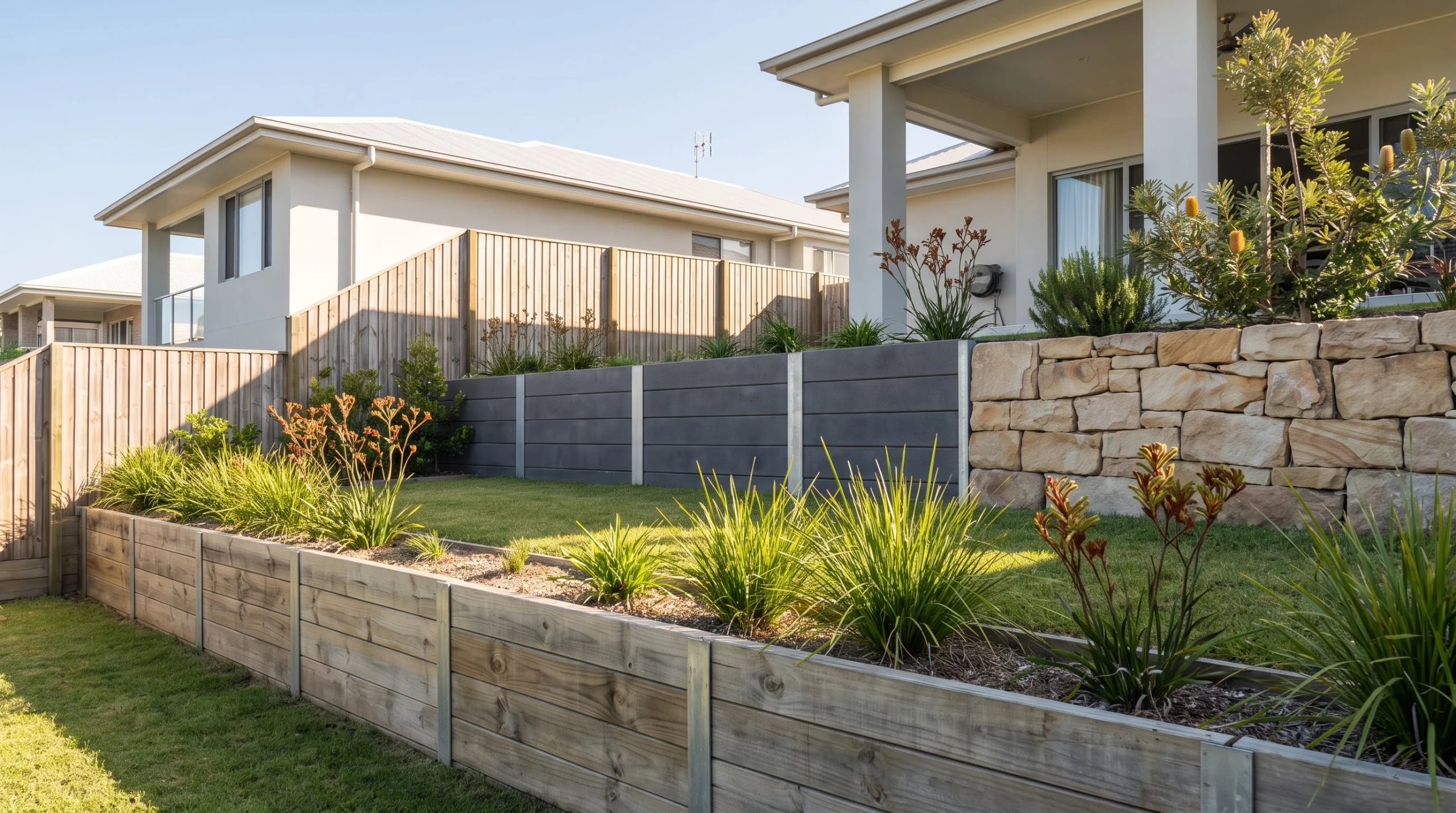
Tiering means breaking the slope into two or three separate levels, each held by a lower retaining wall, rather than trying to contain the whole height difference in one structure. This is the most popular approach on steeper Gold Coast blocks.
The advantages are significant:
- Each wall carries less load, which improves long-term stability
- Multiple usable zones can serve different purposes, lawn, garden, pool, or entertaining
- The finished yard looks intentionally designed rather than like a structural fix
- Drainage is easier to manage across smaller level changes
Tiered yards work particularly well in areas like Robina and Helensvale where blocks tend to have significant natural grade changes.
Combine Walls With Stairs and Pathways
Sometimes the slope is part of what makes a property interesting. Retaining walls combined with stairs, garden lighting, and planted garden beds can turn a difficult slope into a proper feature. The levels connect naturally, movement through the yard feels intentional, and the result often adds real value to the property.
Which Retaining Wall Material Works Best on a Slope?
Material choice matters more on sloped sites than flat ones. Water runs toward the base of the walls constantly, and the structural demands are higher. Here’s a quick comparison:
| Material | Best For | Key Considerations |
|---|---|---|
| Concrete sleepers | Steep slopes, heavy soil loads, modern finish | Long-lasting, handles moisture well, suits structural work |
| Timber sleepers | Gentle slopes, garden terraces, softer aesthetic | Lower upfront cost, shorter lifespan on wet sites |
| Concrete blocks | Tiered gardens, neat structured layouts | Good visual finish, suits multiple levels |
| Boulder and rock | Large blocks, natural coastal aesthetic | Needs machinery access, not suitable for tight sites |
Concrete sleepers are the most common choice for sloped sites on the Gold Coast, particularly in areas like Burleigh Heads and Palm Beach where properties deal with significant rainfall and some soil movement. They handle the combination of structural load and moisture exposure better than timber over the long term.
Timber can still work well for gentler terraces and garden-style walls, but on steeper slopes where water runs downhill constantly, the lifespan tends to be shorter. That’s worth factoring into your cost comparison.
For more detail on material options, take a look at our concrete sleeper vs timber retaining walls guide where we break down the full cost and lifespan comparison.
Drainage Behind Retaining Walls on Slopes
Drainage is critical on any retaining wall project. On a slope, it’s even more important because water collects behind walls naturally and creates significant pressure if it has nowhere to go.
A properly built retaining wall on a sloped site should include:
- Gravel backfill directly behind the wall to allow water to move freely
- Agricultural drainage pipe to collect and redirect water away from the wall base
- Geofabric to stop soil from clogging the drainage system over time
- Correct discharge direction so water exits the site properly rather than pooling elsewhere
Without this, even a structurally well-built wall will eventually lean or fail. Saturated soil is significantly heavier than dry soil, and that extra pressure adds up quickly after heavy rain.
The Queensland Government’s guidelines on retaining walls and drainage provide useful context on compliance expectations, particularly for walls near boundaries.
Council Approval and Height Rules in Queensland
Not every retaining wall needs council approval, but walls on sloped sites are more likely to require it because the height involved is often greater and the consequences of a failure are higher.
In Queensland, approval requirements generally depend on:
- Total wall height
- Distance from property boundaries
- Whether the wall supports a structure like a pool, driveway, or paving
- Whether the wall affects drainage patterns on neighbouring properties
The Queensland Development Code outlines where approval is and isn’t required, but individual local councils may have additional rules. Checking early in the planning process is always worth it.
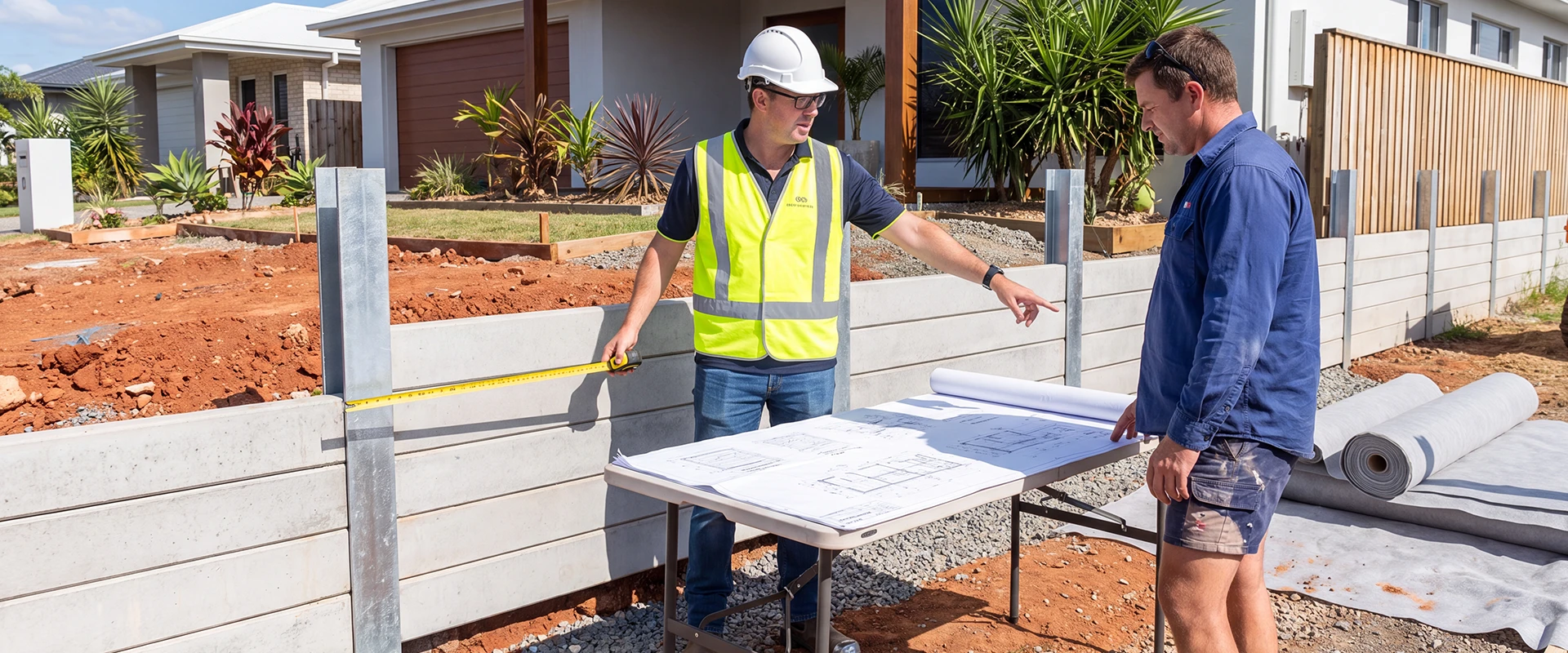
For Gold Coast properties specifically, walls over 1 metre near a boundary or walls that support other structures often require engineering certification. If you’re unsure, it’s worth getting advice before you start rather than discovering an issue mid-build.
DIY vs Professional Retaining Wall Construction on a Slope
| Factor | DIY | Professional |
|---|---|---|
| Cost | Lower upfront | Higher upfront, lower long-term risk |
| Drainage | Easy to miss critical steps | Done correctly as part of the build |
| Engineering | Difficult without experience | Assessed and documented if required |
| Council requirements | Easy to overlook | Handled as part of the process |
| Result quality | Variable | Consistent and structurally sound |
Sloped sites are one of the situations where professional installation is genuinely worth considering even if you’re comfortable doing landscaping work yourself. The combination of drainage, soil load, and height means there’s less margin for error than on a flat block. Our DIY vs professional retaining wall guide covers this in more detail if you’re weighing up your options.
Planning the Whole Yard, Not Just the Wall
One of the most common mistakes on sloped block projects is building the retaining wall and then realising the job isn’t finished. The wall holds the slope back, but then you still need:
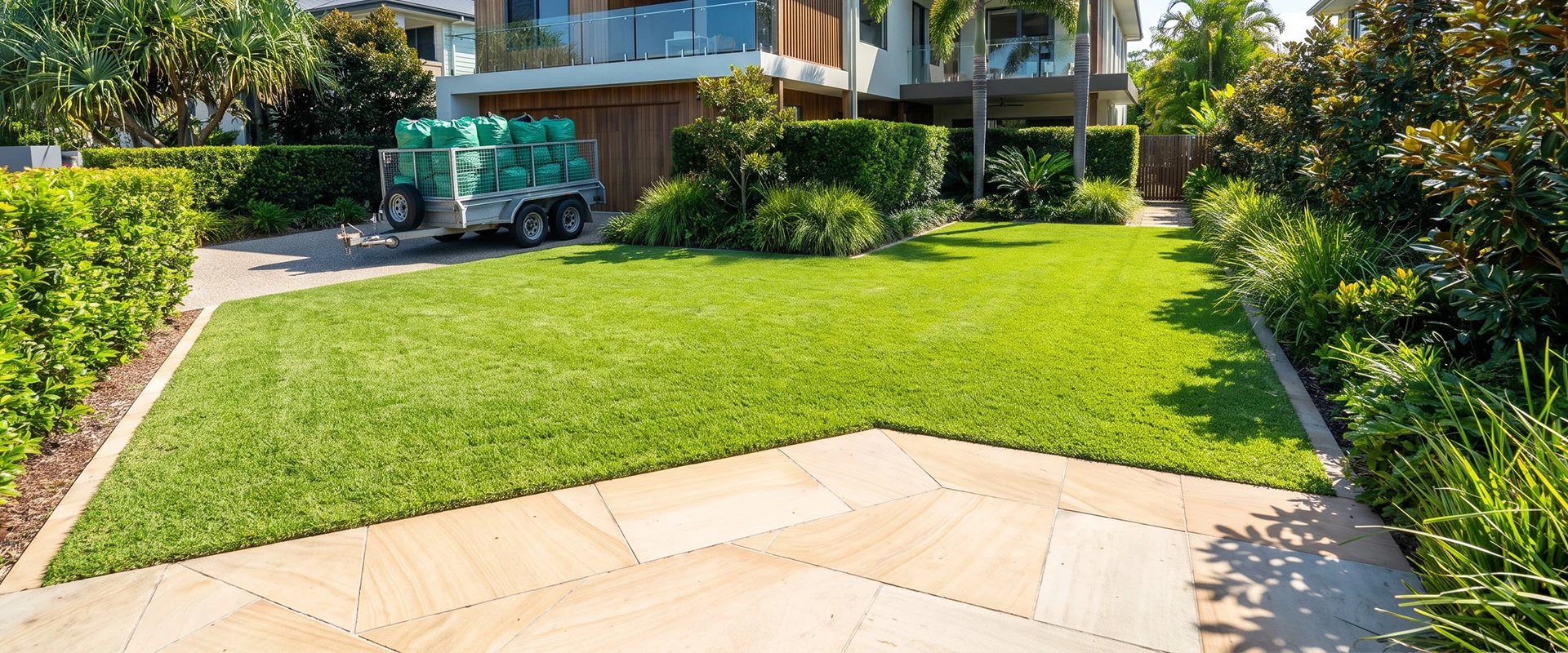
- Topsoil and levelling in the newly flat areas
- Turf installation or garden bed preparation
- Additional drainage improvements beyond the wall itself
- Paving or path work to connect the levels
- Site clean-up and disposal of excavated material
Doing all of these as one coordinated project almost always saves money overall and produces a much cleaner result than tackling them separately over months.
At Goldie Retaining Walls, this is exactly how we approach sloped block projects. We handle retaining walls, drainage, excavation, and landscaping preparation so the whole outdoor space comes together properly rather than in disconnected stages. We couldn’t resist the shameless plug, but it’s genuinely how the best results happen.
Frequently Asked Questions Retaining Walls for Sloped Yards
How tall can a retaining wall be before I need council approval in Queensland?
The rules vary by council and location, but as a general guide, walls over 1 metre near a boundary or walls that support structures typically require approval. Walls on steep slopes may attract additional scrutiny. Check with your local council or a professional early in the planning process.
What’s the best retaining wall material for a sloped Gold Coast yard?
Concrete sleepers are the most reliable choice for structural retaining on steep slopes. They handle the soil load and constant moisture exposure better than timber over the long term. Timber can work well for gentler garden terraces but may have a shorter lifespan on wetter sites.
Do I need engineering for a retaining wall on a slope?
Walls over a certain height, walls near boundaries, and walls supporting structures like pools or driveways often require engineering certification. On steeply sloped sites, this is more likely than on flat blocks. A retaining wall builder can advise you on whether your project needs a structural engineer.
How long does a retaining wall on a sloped yard take to build?
It depends on the size and complexity of the project. A single wall on a moderate slope might take a few days. A full tiered yard with drainage, multiple walls, and landscaping preparation can take one to two weeks. Your builder should give you a realistic timeline during the quoting stage.
What happens if drainage is done wrong behind a retaining wall on a slope?
Saturated soil becomes significantly heavier than dry soil and creates much greater pressure against the wall. Without proper drainage, walls can lean, crack, or fail over time, particularly after heavy rain. Good drainage is one of the most important parts of any retaining wall project.
Ready to Transform Your Sloped Yard?
A sloped block doesn’t have to mean wasted space, constant maintenance, and runoff problems every wet season. With the right retaining wall layout and proper drainage, it can become a genuinely usable outdoor area that works for your lifestyle.
If you’re in Southport, Surfers Paradise, Palm Beach, or anywhere on the Gold Coast, reach out to the team at Goldie Retaining Walls for an obligation-free quote. We’ll assess your slope, talk through the best layout options, and give you a clear picture of what’s involved before any work starts.
Request a quote today or speak with a retaining wall specialist about your property.