Retaining wall cost quotes can feel confusing. One company gives you a number that seems reasonable, another comes in much higher, and both say they’re building the “same wall.” The reality is that retaining wall cost on the Gold Coast is determined by what you can’t see from the front: excavation, drainage, footings, soil stability, reinforcement, access, and disposal and clean-up.
This guide breaks down the real cost factors so you can compare quotes properly and avoid surprise blowouts halfway through your project.
What Affects Retaining Wall Pricing on the Gold Coast?
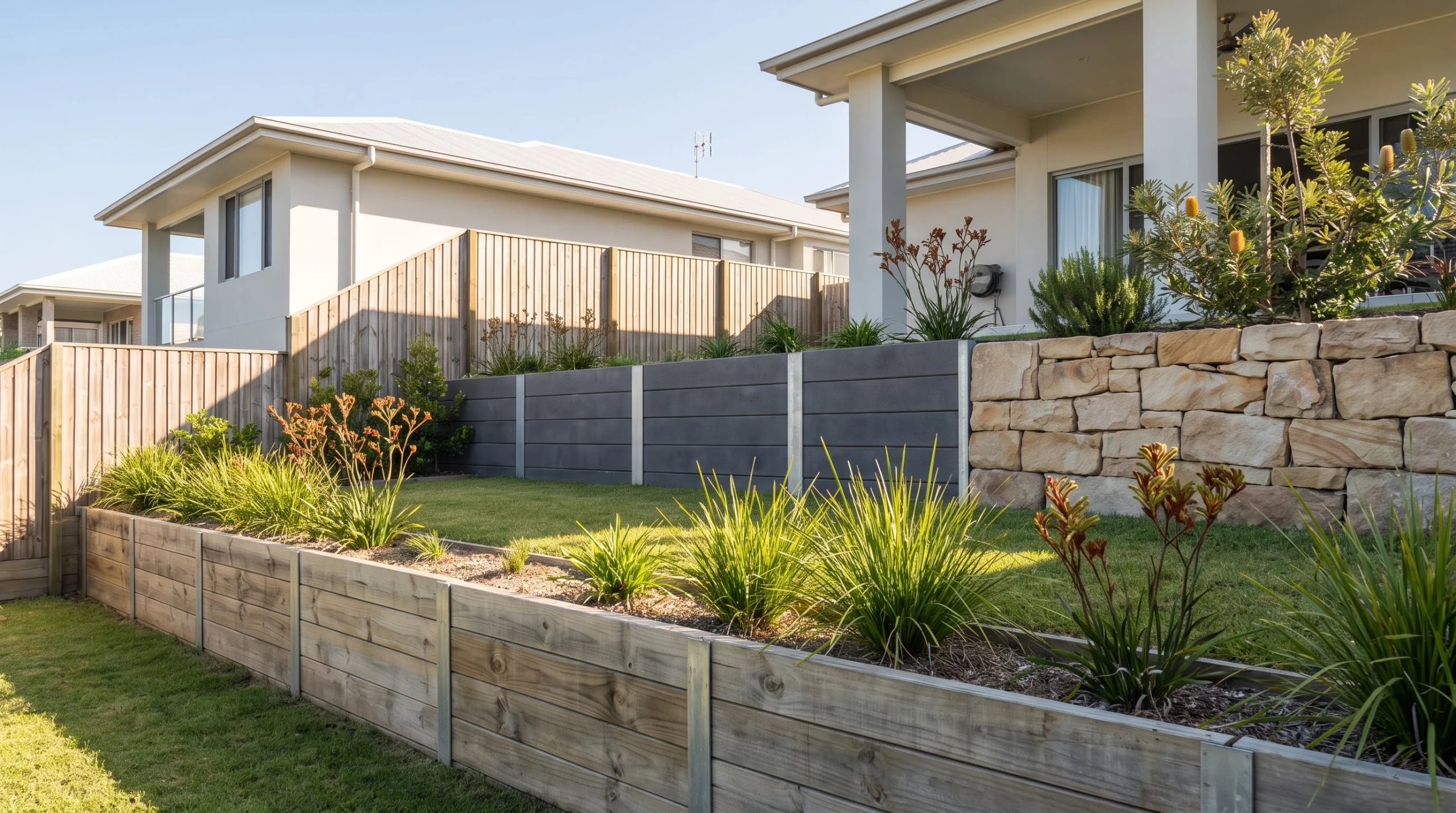
Retaining wall costs vary widely depending on the type of wall, height, drainage requirements, and site conditions. Different materials suit different applications, and understanding where each works best helps you make sense of the pricing you’ll see.
Concrete Sleeper Retaining Walls
Concrete sleepers are often chosen for structural walls, higher retaining applications, pool-side installations, and modern landscape designs. They’re the most popular choice on the Gold Coast because they handle our climate well and last decades with minimal maintenance.
Timber Retaining Walls
Timber walls are commonly used for low garden walls, decorative landscaping features, and smaller projects where the structural load is minimal. While they’re cheaper upfront, they don’t have the same lifespan as concrete in our humid, termite-prone climate.
Block Retaining Walls
Block walls work well for tiered yards, clean landscape finishes, and moderate height applications. They offer a structured, contemporary look and integrate nicely with paving and outdoor entertaining areas.
Boulder and Rock Walls
Rock walls are chosen for premium landscaping, feature walls, and natural coastal designs where the retaining wall is meant to be a visual feature rather than just functional infrastructure. They require good machinery access and are generally suited to larger properties.
The 7 Biggest Cost Drivers (Gold Coast Edition)
1) Height (Not Just for Materials — for Engineering)
Wall height affects post depth, footing size, reinforcement requirements, and drainage complexity. As a rule, taller walls become exponentially more complex to build properly. A 600mm garden wall is a completely different engineering challenge to a 1.8-meter structural wall, even if they’re using the same material.
2) Drainage Requirements
Drainage is where quality walls separate from cheap ones. A proper retaining wall on the Gold Coast typically includes gravel backfill, agricultural pipe, geofabric, and controlled discharge to manage water pressure behind the wall. If drainage is skipped or poorly installed, the wall will eventually fail, and repairs cost far more than doing it properly the first time.
On the Gold Coast, where we can get intense rainfall in short bursts during storm season, drainage isn’t optional.
3) Excavation and Removal
Most retaining walls require cutting into a slope, leveling the base, removing soil, and arranging disposal. Excavation becomes more expensive if the soil is clay-heavy, full of tree roots, or contains old rubble from previous landscaping attempts.
The volume of soil being moved and whether it can be reused on-site or needs to be trucked away both affect the final cost significantly.
4) Access (A Big One on the Gold Coast)
Tight access is extremely common on Gold Coast properties, particularly in established suburbs where blocks are smaller and driveways are narrow. If machinery can’t get close to the work area, the job may require manual digging, wheelbarrow removal, and significantly more labour hours. This can add considerably to a quote compared to a site with drive-on access.
5) Soil Conditions
Gold Coast soil varies dramatically from sandy coastal areas to reactive clay depending on where you are. Soil type affects footing depth, drainage design, and how stable the ground is behind the wall. Rocky soil requires different excavation equipment. Clay soil holds water and creates more pressure. Sandy soil drains quickly but offers less stability.
A proper site inspection identifies these factors before quoting, which is why the cheapest quote isn’t always based on the same scope of work.
6) Pool and Paving Protection
If the retaining wall is near a pool area, it often needs extra care to protect existing paving, plumbing, finished surfaces, and pool structure. Working around pools means more precision, more protection measures, and sometimes more time to ensure nothing gets damaged during excavation or installation.
7) Site Clean-Up and Old Wall Removal
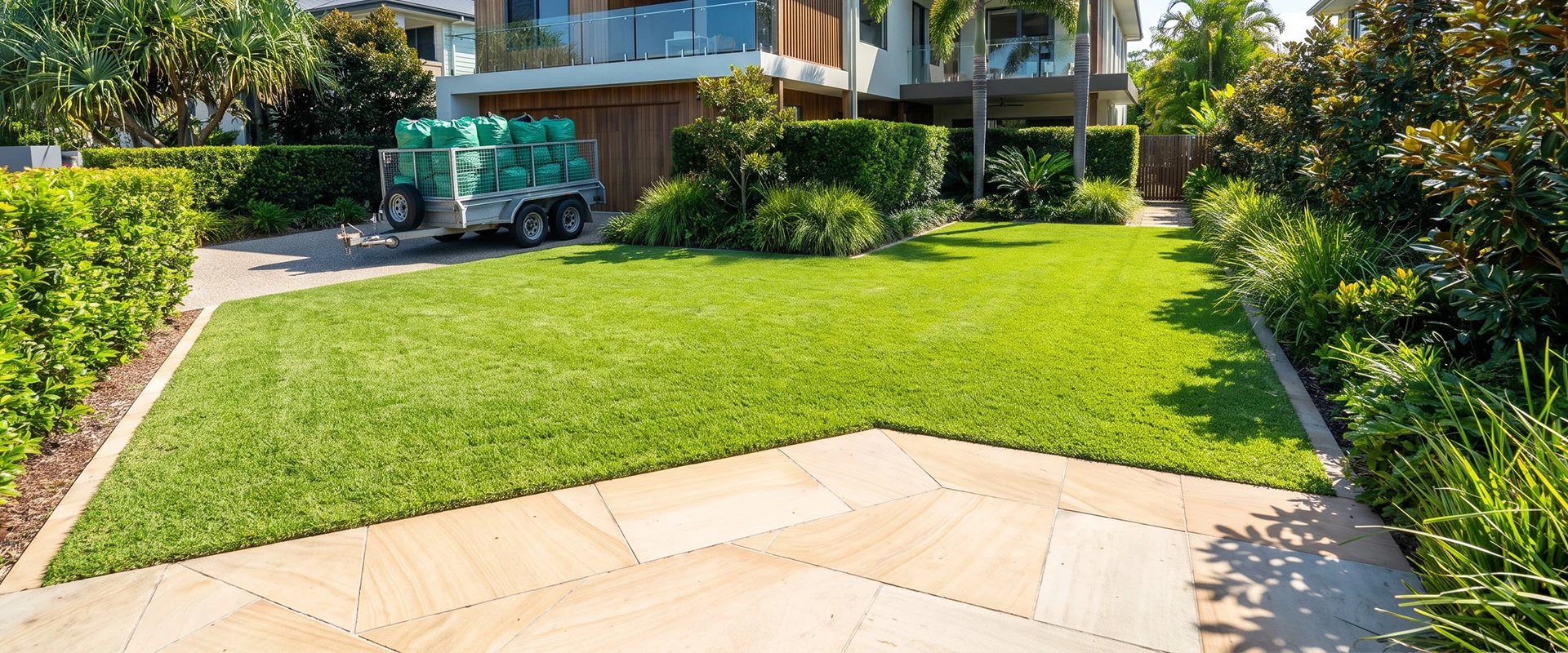
Many retaining wall projects on the Gold Coast involve removing old timber sleepers that have rotted or shifted, clearing overgrown garden areas, disposing of green waste, and removing old rubble or fill material. This is often the hidden cost people forget to budget for, but it can represent a significant portion of the total job depending on the condition of the existing yard.
How Much Does Drainage Add to the Retaining Wall Cost?
Drainage adds to the overall project cost, but it’s non-negotiable for walls doing structural work. Without proper drainage, water builds up behind the wall, the soil becomes saturated and heavy, and pressure increases until the wall starts to lean or crack.
Drainage costs include the agricultural pipe itself, gravel backfill material, geofabric to prevent soil from clogging the drainage system, and labour to install everything correctly. For taller walls or areas with poor natural drainage, the drainage system may need to be more extensive, which increases the cost further.
What About Removal and Disposal Retaining Wall Cost?
Removing an old retaining wall and disposing of the material varies depending on what needs to go. Old timber sleepers are relatively light and easy to remove, but they still need to be loaded, trucked away, and disposed of properly. Concrete or block walls require heavier machinery and cost more to dispose of per tonne.
Green waste removal, soil disposal, and site clean-up are usually quoted separately or included as a line item, so make sure you understand what’s covered in the base price and what’s additional.
How to Compare Quotes Properly
When you’re comparing retaining wall quotes from different companies, don’t just look at the bottom line. The cheapest quote is often missing critical elements that will either surface as “extras” later or result in a wall that doesn’t last.
Ask these questions:
- Is drainage included? What exactly is included in the drainage system?
- Is excavation included, and how much soil removal is allowed?
- Is disposal included or charged separately?
- What materials and posts are being used, and what are the specifications?
- How deep are the posts or footings going?
- Is the wall designed and engineered for the correct height and load?
If a quote is cheaper because it’s skipping drainage, using shallower footings, or not accounting for proper excavation, it’s not a bargain. It’s a future problem.
Should You Remove the Old Wall Yourself to Save Money?
Unless the old wall is very low and simple, it’s usually not worth removing it yourself. Retaining wall removal involves heavy lifting, proper disposal, and often reveals drainage or soil issues that need to be addressed before the new wall goes in. Most retaining wall companies can remove the old wall as part of the project, and doing it all at once ensures the site is properly prepped for the new installation.
Trying to save money on removal can end up costing more if the site isn’t prepped correctly or if you injure yourself in the process.
When Does a Retaining Wall Need Engineering?
On the Gold Coast, retaining walls over 1 meter in height, walls close to boundaries, or walls supporting structures like pools, driveways, or sheds typically require engineering certification. This adds to the upfront cost but ensures the wall is designed to handle the load, drainage, and soil conditions specific to your site.
Engineering ensures compliance and long-term stability, particularly for walls doing serious structural work.
Want a Realistic Quote?
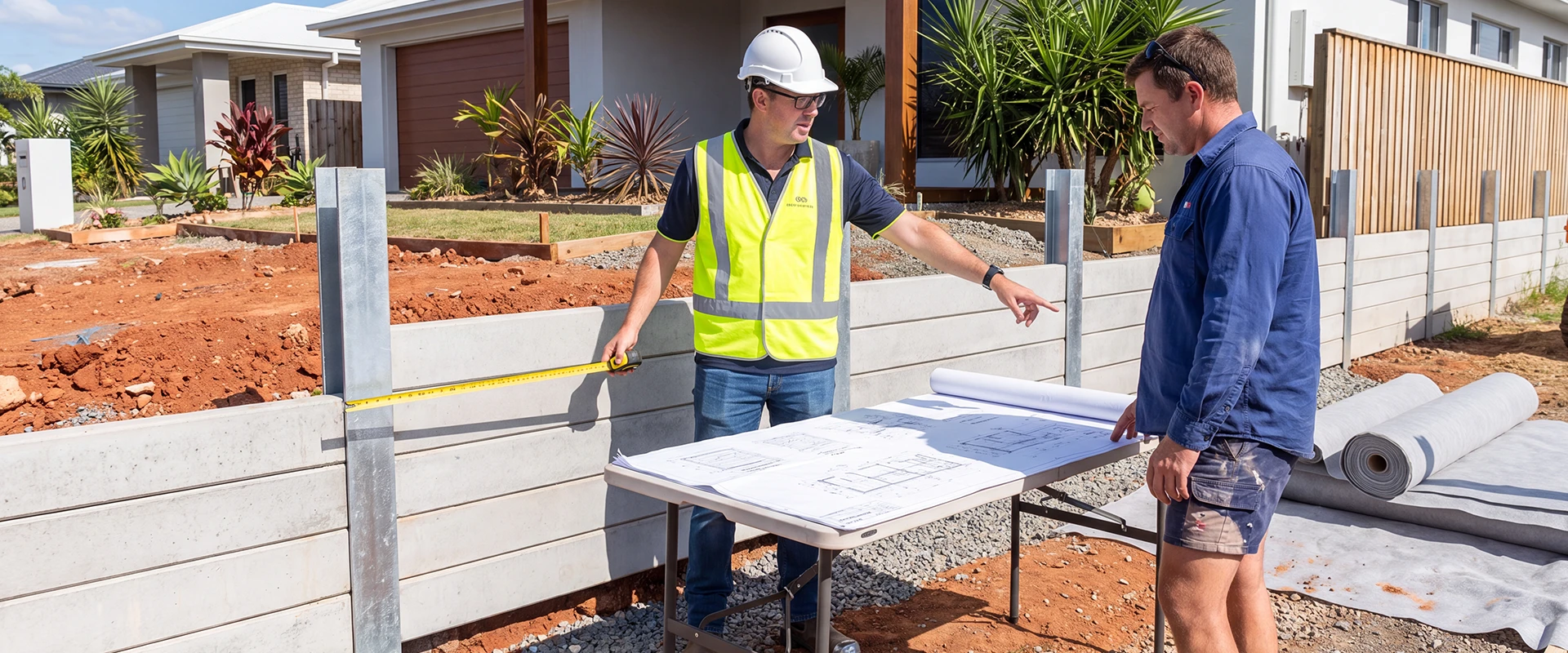
The best retaining wall quote is based on a site inspection, because slope, access, soil type, drainage requirements, and landscaping prep all affect the final price. A quote done over the phone or from photos alone is usually missing critical details.
Goldie Retaining Walls provides clear, honest quotes based on actual site conditions, and we can also help with yard clean-up and landscaping prep so the whole project is done properly from start to finish.